Cigarettes and Cell Phones
How the Object in Our Hand Reveals Each Era’s Interface…
…And Why the Next One Won’t Need a Hand at All
A Quick Look in the Rear-View Mirror



In the 1950s and ’60s, cigarettes served as social passports. Around 42% of American adults smoked in 1965, making the glowing ember as commonplace and stylish as a wristwatch.
A single glance at a Mad Men-era photo vividly captures the scene: fingers curled around a Lucky Strike, packs tucked neatly into shirt sleeves, smoke punctuating every conversation.
The Hand-Held Epoch
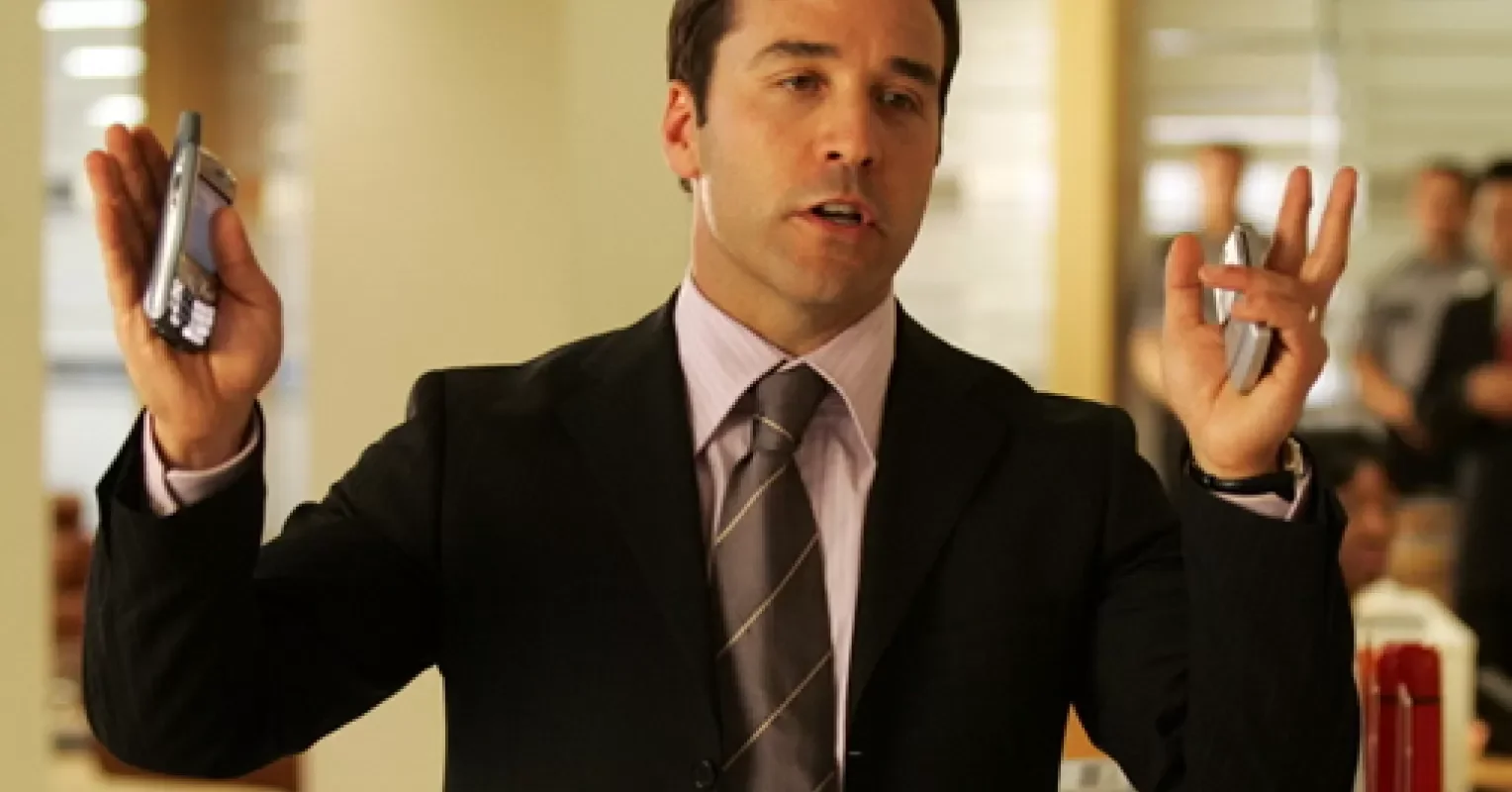

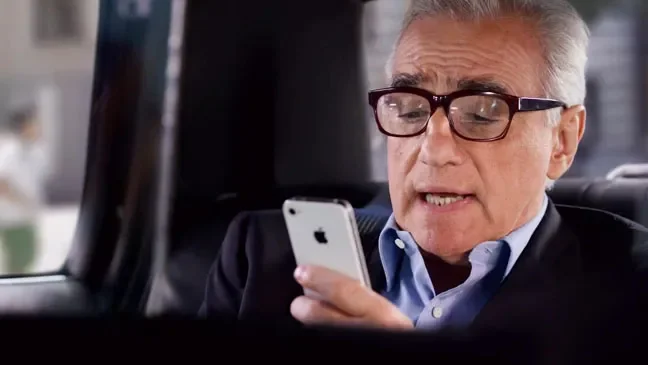
Fast-forward sixty years, and it’s notifications, not nicotine, guiding our reflexes.
Today, 91% of U.S. adults own smartphones, up dramatically from just 35% in 2011. These glowing rectangles are our universal companions. From sunrise to sundown, they act as cameras, cash registers, compasses, and comfort blankets rolled into one. Just as cigarettes once defined social breaks, smartphones now fill every on of our micro-moments: elevator rides, grocery lines, and even stoplights.
The Anxious Generation


It took almost two decades, but slowly we realized there might be some unexpected consequences to putting a phone in every hand in the world. 4+ hours of screen time and 200+ phone unlocks everyday is a bit much…
Starting in September 2025, New York State started enforcing statewide, bell-to-bell smartphone restrictions in K-12 schools.
Currently, there are now 31 states and the District of Columbia are now restricting student cellphone use, according to Education Week.
The Imminent Interface Flip

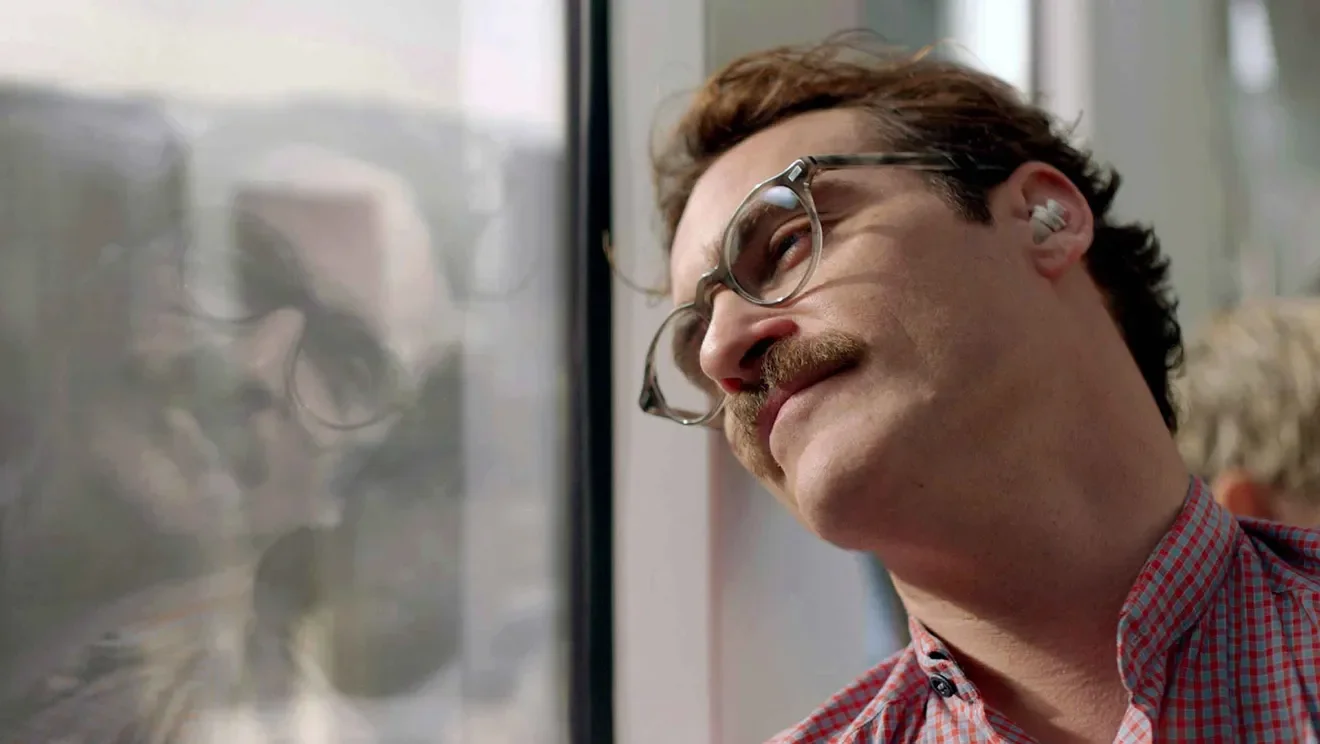
Voice assistants like Alexa, Google Home, and Siri have been around since the 2010’s but we are now being supercharged by AI.
My children already ask Alexa why the sky is blue, and have never scrolled through Google for an answer. Globally, the voice-search market is projected to expand at an impressive ~24% CAGR through 2030. We’re swiftly moving towards a world where speech becomes more and more of the default interaction, making screens secondary, not primary.
Imagine a family photo from 2040: no glowing screens, no anxious fidgeting. Just people naturally interacting with ambient intelligence around them.
A phone free world seems wild to imagine in 2026. But so did smoke free restaurants in 1970.
To our children, today’s screen-addicted snapshots will seem as quaint and dated as hazy diner images filled with ashtrays and Zippo lighters.
The War For Mobile’s Future
Casey Neistat highlights two divergent paths toward this screen-free horizon:
Apple’s bet on immersive, high-fidelity mixed reality versus Meta’s push for socially integrated smart glasses. While Apple’s Vision Pro offers a glimpse of total computing power, Neistat argues it fails the critical "social dynamic" test. Wearing a computer on your face is isolating and socially awkward, echoing the "Glasshole" stigma of a Google Glass past.
Meta’s strategy with Ray-Ban smart glasses prioritizes form factor and social acceptance first, embedding AI, cameras, and audio into a device people actually want to wear. By solving the fashion and social friction first, they are effectively trojan-horsing the future of computing onto our faces.
The transition away from smartphones won't be an overnight leap, but a gradual erosion of the phone's necessity.
Casey describes a future where wearables slowly "chip away" at the utilities we currently rely on our handsets for: navigation, photography, communication, etc; until the phone itself becomes redundant. This evolution is driven by a desperate need to cure our current crisis of attention. This race isn't just about better tech, but about reclaiming our engagement with the real world.
As these devices mature, the "glowing rectangle" may finally go the way of the cigarette pack. And become an obsolete habit we fortunately grew out of.
A Cigarette-Free, Screen-Light Future
Humans have always cherished our handheld talismans, but history proves they’re merely placeholders. Cigarettes yielded to smartphones; now, smartphones will make way for something far more powerful: invisibility.
As Pete Flint writes in The Screenless Startup, technology’s ultimate trajectory is to disappear. We are moving from an era defined by the "attention tax" where screens demand our constant, anxious focus; to an era of "calm technology." In this near future, AI agents will handle complex tasks in the background, allowing the interface to dissolve from a glowing rectangle into a simple voice command or a quiet gesture.
The goal isn't just a new gadget; it’s a return to the world around us. In 10–15 years, our children will tease us for staring down and furiously tapping at glass, much like we gently mock our grandparents for puffing Pall Malls indoors.
It is time to trade the addiction of the screen for the freedom of the air.